The History Of | The Legend Biography Probashir Diganta Book Portable ^new^
Loading
Loading

The History Of | The Legend Biography Probashir Diganta Book Portable ^new^

The legend of Probashir Diganta has transcended geographical and cultural boundaries. The book has been translated into several languages, including English, and has been adapted into films, plays, and TV series.

The book "Probashir Diganta" is a landmark novel in Bengali literature. First published in 1959, the novel has been widely acclaimed for its innovative style, lyrical prose, and profound insights into the human condition.

The legend of Probashir Diganta is a testament to the power of literature to transcend time and space. Sunil Gangopadhyay's novel has become a cultural touchstone, inspiring new generations of readers and writers. As a biography, the book offers a profound insight into the life and times of its author, while as a work of fiction, it continues to captivate readers with its universal themes and timeless appeal.

The novel tells the story of a young man, Probashir Diganta, who returns to his ancestral home in Bangladesh after years of living abroad. As he navigates the complexities of his family's past and the changing social landscape of his homeland, Probashir Diganta embarks on a journey of self-discovery and introspection.

The novel's protagonist, Probashir Diganta, was a symbol of the disillusioned and restless youth of post-colonial India. The character's journey was a metaphor for the search for identity, meaning, and belonging in a rapidly changing world.

Gangopadhyay wrote over 50 novels, numerous short stories, and poetry collections. His works often explored themes of identity, history, politics, and culture. He was awarded several prestigious literary awards, including the Sahitya Akademi Award and the Jnanpeeth Award.
Shakespeare Video Collection

Showcasing behind-the-scenes videos at the Globe, candid interviews with renowned Shakespeare actors and directors, as well as controversial adaptations of the Bard, the Shakespeare video collection is an ideal resource for students, academics, and practitioners. Rare documentary footage focuses on the Globe’s status as a unique theatrical institution, whilst the collection’s critical commentaries aim to demystify and illuminate Shakespeare’s most challenging works.

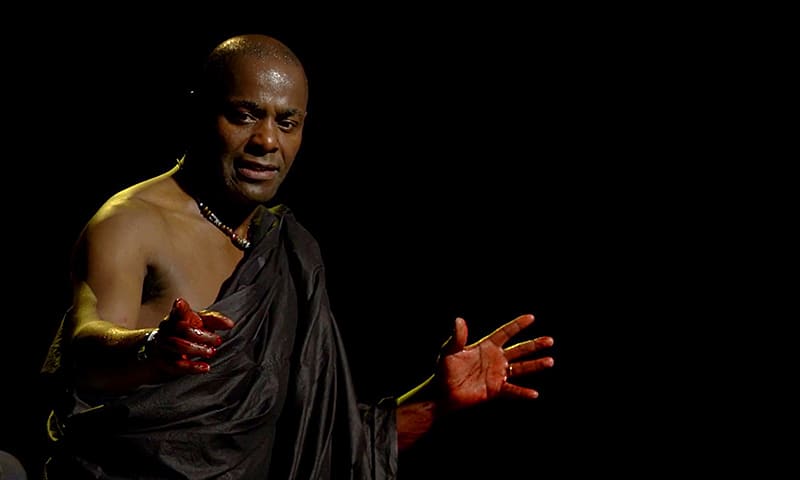
Paterson Joseph starring as Brutus in the production Julius Caesar for the Shakespeare Video Collection
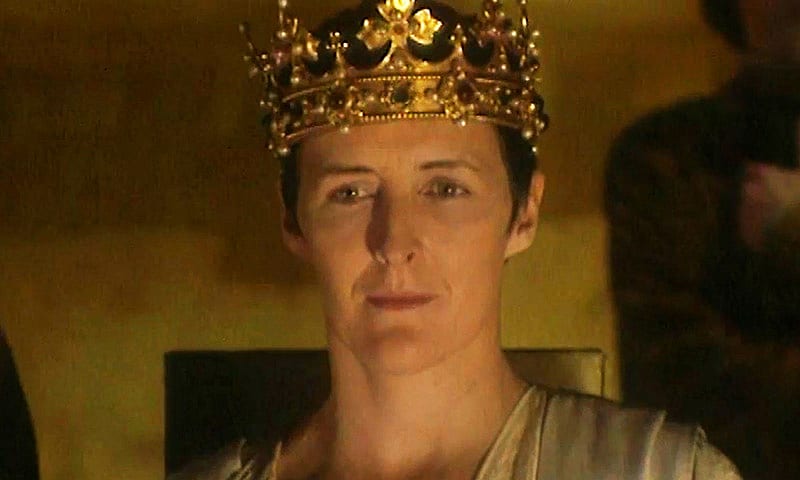
Fiona Shaw starring in Deborah Warner’s adapation of Richard II for the Shakespeare Video Collection
An actor dressed in costume with white and red face paint holding a stick for the Shakespeare Video Collection

This collection features:

  • The captivating documentary Muse of Fire, which follows actors Giles Terera and Dan Poole across the world as they question theatre luminaries such as Sir Ian McKellen, Dame Judi Dench, Tom Hiddleston, and Baz Luhrman about what Shakespeare means to them
  • Several filmed adaptations of Hamlet, ranging from a 1940’s retelling set in post-war London, to slapstick Shakespeare in Hamlet Stooged!, and a musical rendition, Heavy Metal Hamlet, performed by the experimental Australian theatre troupe, OzFrank
  • The 1997 screen version of Deborah Warner’s controversial adaptation of Richard II, featuring Fiona Shaw in the titular role
  • Adaptations of Macbeth, including Gregory Doran’s acclaimed RSC production with cast and director interviews and OzFrank’s inversion of the classic: Voodoo Macbeth

This collection includes rare footage, often from smaller theatre troupes whose experimental interpretations can provide a more comprehensive understanding of theatre in general and of particular plays. Please note that smaller theatre companies sometimes have lower budgets, which can impact production values.

Synchronised transcripts and closed captions for this collection are being added to videos on a rolling basis. All videos will have transcripts by December 2023. Where films in these collections are in a language other than English, captions will appear on the video and may not always be accessible to screen readers. The legend of Probashir Diganta has transcended geographical