
Get to the root of your digestive issues with gut-brain therapy techniques that help you self-manage your gut symptoms in just 6-weeks.

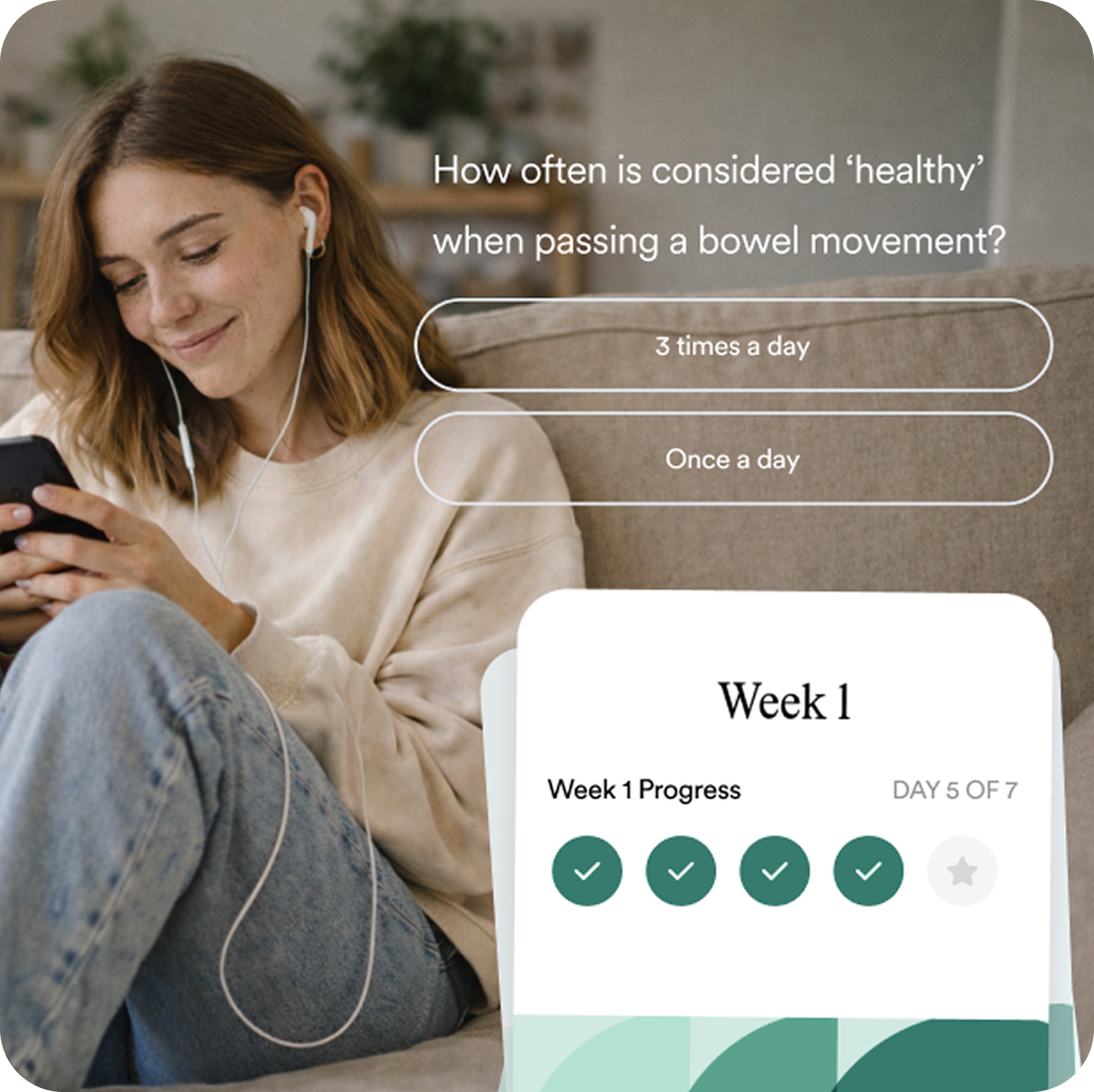


IBS, functional dyspepsia, functional constipation, and functional heartburn are now classified as gut-brain disorders - conditions driven by miscommunication between the gut and brain. The same gut-brain dysfunction also explains why many people with IBD continue to experience pain, constipation, or diarrhea even when their disease is in remission.
When the gut and brain fail to communicate properly, the body can misinterpret normal digestive processes as pain or discomfort. This heightened sensitivity, known as visceral hypersensitivity, can make the gut more reactive and contribute to gastrointestinal symptoms.


Nerva combines evidence-based gut-brain therapy techniques with real human support to help you self-manage symptoms, rebuild confidence, and get back to living fully.

The Nerva program was co-founded by Dr. Simone Peters, who ran a clinical trial with Monash University that found gut-brain therapy therapy worked just as well as the Low FODMAP diet in helping you participants well with and self-manage IBS.


Gut-brain therapy techniques targets the source of the problem: oversensitive nerves in the gut.

Gut-brain therapy techniques teaches you how to address this miscommunication between the gut and brain.

Gut-brain therapy techniques has been shown to help with constipation, diarrhea and mixed IBS.

Studies have shown gut-brain therapy techniques can help you achieve long-lasting IBS management.




Answer questions about you and your gut history to see if Nerva can work for you.

Daily gut-brain sessions, educational content, and goal oriented progress, tailored to your preferences.

Learn skills that can help you teach your brain to ignore false alarms from the gut triggered by food and stress.

Live the life you want, free from the control of digestive diseases.
.png)

Backed by 5+ studies including a randomized controlled trial.

9/10 members see meaningful progress in 4-6 weeks.

Learn skills focused on retraining the gut-brain axis.

Short daily sessions from the comfort of your home.

India, a land of diverse traditions, languages, and customs, is home to a kaleidoscope of women's experiences. From the snow-capped Himalayas to the sun-kissed beaches of the south, Indian women have been weaving their way through history, leaving an indelible mark on the country's cultural fabric. In this article, we'll embark on a journey to explore the intricate patterns of Indian women's lifestyle and culture, highlighting the triumphs, challenges, and transformations that define their lives.
Yet, Indian women have consistently demonstrated remarkable resilience and adaptability. They have made significant strides in various fields, from science and technology to art and politics. Women like Kalpana Chawla, Kiran Bedi, and Arundhati Bhattacharya have broken glass ceilings, inspiring others to follow in their footsteps. The #MeToo movement in India has also given women a voice, allowing them to share their stories of harassment and abuse. tamil aunty pundai pictures xnxxcom free
In conclusion, the lives of Indian women are a testament to the power of resilience, adaptability, and determination. As we celebrate their achievements and acknowledge the challenges they face, we must also recognize the importance of creating a more inclusive and equitable society. By doing so, we can ensure that Indian women continue to thrive, their voices are heard, and their stories are told. India, a land of diverse traditions, languages, and
However, Indian women's lives have undergone significant changes in recent years. With increasing urbanization, education, and economic opportunities, women are redefining their roles and aspirations. Many are pursuing careers, delaying marriage, and choosing to have fewer children. The rise of social media has also given women a platform to express themselves, share their experiences, and connect with others across the country. The #MeToo movement in India has also given
As we look to the future, it's clear that Indian women's lives will continue to be shaped by their cultural heritage, social norms, and personal aspirations. The threads of tradition will continue to weave through their experiences, but new patterns will emerge as they navigate the complexities of modern life. With increased access to education, economic opportunities, and social support, Indian women will play an increasingly important role in shaping the country's future.

"Hi, it's Alex, one of the founders of Nerva alongside Chris and Dr. Simone Peters.
We designed Nerva to help people with gut-brain disorders get back to a happy, normal life, free of flare-up worries. We're so proud of the fact that we've already helped over 300,000 people live better. Yet, we understand Nerva may not work for some people which is why we have a 100% money back guarantee.
If you finish your 6-week program and think Nerva hasn't helped you manage your symptoms, simply email support for a full refund of the Nerva program."
- Alex Naoumidis, Co-Founder and Co-CEO, Mindset Health


Based on studies that helped 3 in 4 people manage their gut symptoms.

15 minutes a day for 6 weeks. Short and relaxing sessions that fit with your schedule.

Discover helpful and calming flare-up exercises, like our deep breathing techniques.

Listen anytime and anywhere (home, office, couch, you name it).

Learn about gut-brain disorders with a range of easy to understand in-app articles.

Say bye to bots. We have real Nerva team members ready to help!
.svg)
.svg)


1) Anderson, Ellen J. BNutSci, MDiet1,2; Peters, Simone L. BSc (Psychophysiology) (Hons), PhD1; Gibson, Peter R. MBBS(Hons), MD1,2; Halmos, Emma P. BNutDiet, PGradDipBSc, PhD1,2. Comparison of Digitally Delivered Gut-Directed Hypnotherapy Program With an Active Control for Irritable Bowel Syndrome. The American Journal of Gastroenterology 120(2):p 440-448, February 2025. | DOI: 10.14309/ajg.0000000000002921 2) Peters, S. L., Yao, C. K., Philpott, H., Yelland, G. W., Muir, J. G., & Gibson, P. R. (2016). Randomised clinical trial: the efficacy of gut-directed hypnotherapy is similar to that of the low FODMAP diet for the treatment of irritable bowel syndrome. Alimentary pharmacology & therapeutics, 44(5), 447–459. https://doi.org/10.1111/apt.13706


