Arsha Vidya Pitham, Saylorsburg, PA

Naturist Free !!exclusive!!dom Zumba %21%21link%21%21 【PROVEN × 2027】

Walking away, they carried the imprint of the hour: a loosened posture, a memory of skin awake to sunlight, a communal pulse that would surface unexpectedly in grocery store aisles or on solitary morning walks. Naturist Freedom Zumba %21%21LINK%21%21 wasn’t merely an event; it was a small, subversive ritual that remapped what freedom could feel like—an affirmation that liberation sometimes comes in the simple act of dancing together, unburdened and utterly alive.

Laughter threaded through the room. It was not the nervous laugh of exposure but the liberating laugh of recognition. People joked about balance, about the absurdity of attempting a complex shuffle without shoes, about the gasp when a misstep became a new, accidental move. The instructor guided with nonchalance, offering variations and high-fives, coaxing each person to take an extra beat of bravery. “Breathe into the beat,” she said once, and the room inhaled as one, a chorus of chests rising, a congregation of living rhythms. Naturist Freedom Zumba %21%21LINK%21%21

The first song unfurled—percussion like distant rain, horns bright as citrus. The class mirrored the music, but more than choreography happened: hesitation peeled away with each count. Without fabric to hide behind, vulnerabilities transformed into a kind of clarity. Freckles and scars, mismatched tattoos, a scar from childhood surgery, a body still carrying pregnancy’s echo—these became the map of lived stories, no longer whispered but celebrated in the motion of a salsa step or the sweep of a twirl. Walking away, they carried the imprint of the

Midway through, the tempo shifted. A lullaby of percussion slowed, and the class turned inward. Partners paired without expectation—sometimes strangers, often neighbors from the same block—placing palms together in a wordless pact of trust. Eyes met, and conversation dissolved into shared concentration. Muscle memory flossed with openness. A man who had carried grief in silence let a tear fall during a slow rumba, and no one looked away. Instead, a woman nearby smiled with the knowledge that grief and joy could dance in the same measure. It was not the nervous laugh of exposure

Outside, the garden framed the scene: bougainvillea like confetti, sunlight through tall palms, a breeze carrying a hint of citrus. The music rose again, and play returned. The group invented new steps—improvised chains of motion, brief collages of bodies moving like a school of fish changing direction on a signalless whim. A child of a participant pressed to the door peered in, eyes wide, and was invited to learn a step. The boundaries between ages dissolved as easily as old habits; what mattered was timing and trust, not templates or images.
Naturist Freedom Zumba %21%21LINK%21%21

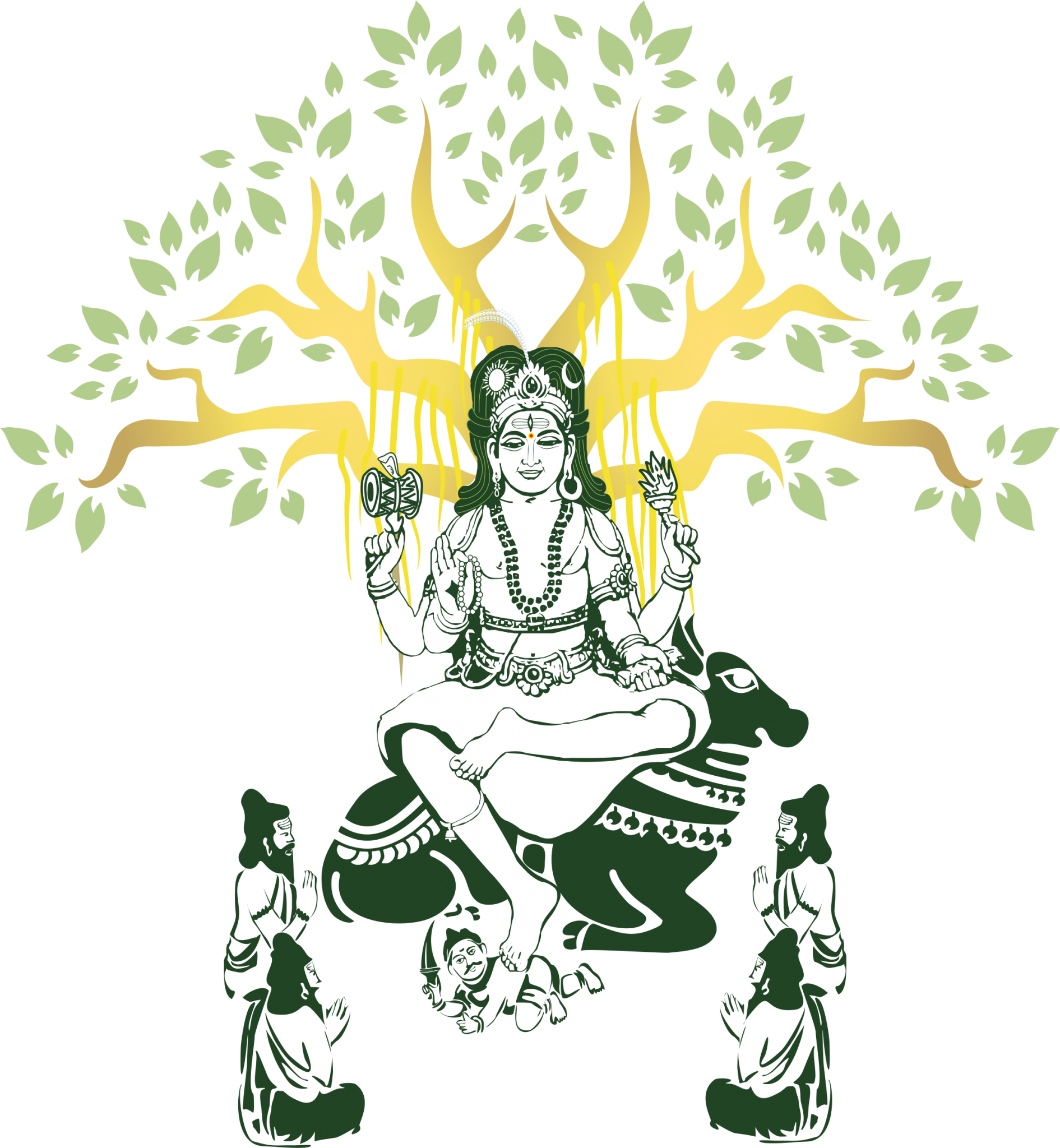
Lord Daksinamurti

Walking away, they carried the imprint of the hour: a loosened posture, a memory of skin awake to sunlight, a communal pulse that would surface unexpectedly in grocery store aisles or on solitary morning walks. Naturist Freedom Zumba %21%21LINK%21%21 wasn’t merely an event; it was a small, subversive ritual that remapped what freedom could feel like—an affirmation that liberation sometimes comes in the simple act of dancing together, unburdened and utterly alive.

Laughter threaded through the room. It was not the nervous laugh of exposure but the liberating laugh of recognition. People joked about balance, about the absurdity of attempting a complex shuffle without shoes, about the gasp when a misstep became a new, accidental move. The instructor guided with nonchalance, offering variations and high-fives, coaxing each person to take an extra beat of bravery. “Breathe into the beat,” she said once, and the room inhaled as one, a chorus of chests rising, a congregation of living rhythms.

The first song unfurled—percussion like distant rain, horns bright as citrus. The class mirrored the music, but more than choreography happened: hesitation peeled away with each count. Without fabric to hide behind, vulnerabilities transformed into a kind of clarity. Freckles and scars, mismatched tattoos, a scar from childhood surgery, a body still carrying pregnancy’s echo—these became the map of lived stories, no longer whispered but celebrated in the motion of a salsa step or the sweep of a twirl.

Midway through, the tempo shifted. A lullaby of percussion slowed, and the class turned inward. Partners paired without expectation—sometimes strangers, often neighbors from the same block—placing palms together in a wordless pact of trust. Eyes met, and conversation dissolved into shared concentration. Muscle memory flossed with openness. A man who had carried grief in silence let a tear fall during a slow rumba, and no one looked away. Instead, a woman nearby smiled with the knowledge that grief and joy could dance in the same measure.

Outside, the garden framed the scene: bougainvillea like confetti, sunlight through tall palms, a breeze carrying a hint of citrus. The music rose again, and play returned. The group invented new steps—improvised chains of motion, brief collages of bodies moving like a school of fish changing direction on a signalless whim. A child of a participant pressed to the door peered in, eyes wide, and was invited to learn a step. The boundaries between ages dissolved as easily as old habits; what mattered was timing and trust, not templates or images.

Naturist Freedom Zumba %21%21LINK%21%21

Arsha Vidya Gurukulam was founded in 1986 by Pujya Sri Swami Dayananda Saraswati. In Swamiji’s own words,

“When I accepted the request of many people I know to start a gurukulam, I had a vision of how it should be. I visualized the gurukulam as a place where spiritual seekers can reside and learn through Vedanta courses. . . And I wanted the gurukulam to offer educational programs for children in values, attitudes, and forms of prayer and worship. When I look back now, I see all these aspects of my vision taking shape or already accomplished. With the facility now fully functional, . . . I envision its further unfoldment to serve more and more people.”

Ārṣa (arsha) means belonging to the ṛṣis or seers; vidyā means knowledge. Guru means teacher and kulam is a family.  In traditional Indian studies, even today, a student resides in the home of this teacher for the period of study. Thus, gurukulam has come to mean a place of learning. Arsha Vidya Gurukulam is a place of learning the knowledge of the ṛṣis.

The traditional study of Vedanta and auxiliary disciplines are offered at the Gurukulam. Vedanta mean end (anta) of the Veda, the sourcebook for spiritual knowledge.  Though preserved in the Veda, this wisdom is relevant to people in all cultures, at all times. The vision that Vedanta unfolds is that the reality of the self, the world, and God is one non-dual consciousness that both transcends and is the essence of everything. Knowing this, one is free from all struggle based on a sense of inadequacy.

The vision and method of its unfoldment has been carefully preserved through the ages, so that what is taught today at the Gurukulam is identical to what was revealed by the ṛṣis in the Vedas.