Movie New! Download Marathi Balak Palak Movies

Now in Early Access

Buy Now

Game Info

Feel the wind in your face, the deck beneath your feet and the salt on your lips.

Seafarer: The Ship Sim is in Early Access. We’d love for you to come aboard and launch your maritime career with us. The world, the ships, and the systems will grow update by update, and you’re invited to watch and shape that journey as it happens.

We want you to enjoy life at sea. This isn't a high-realism work training simulator in which you have to memorise every bolt or tick off endless checklists before you even start the engine. Our goal is simple: Take things at your own pace on a huge open map. Follow a career path or jump straight into the action in quick play. It’s your call. Movie Download Marathi Balak Palak Movies

No two days on the water are the same. Calm sunrises over quiet seas can turn into rough storms without warning. Dynamic waves, changing weather, and unexpected encounters make every voyage feel a little different and, hopefully, memorable.

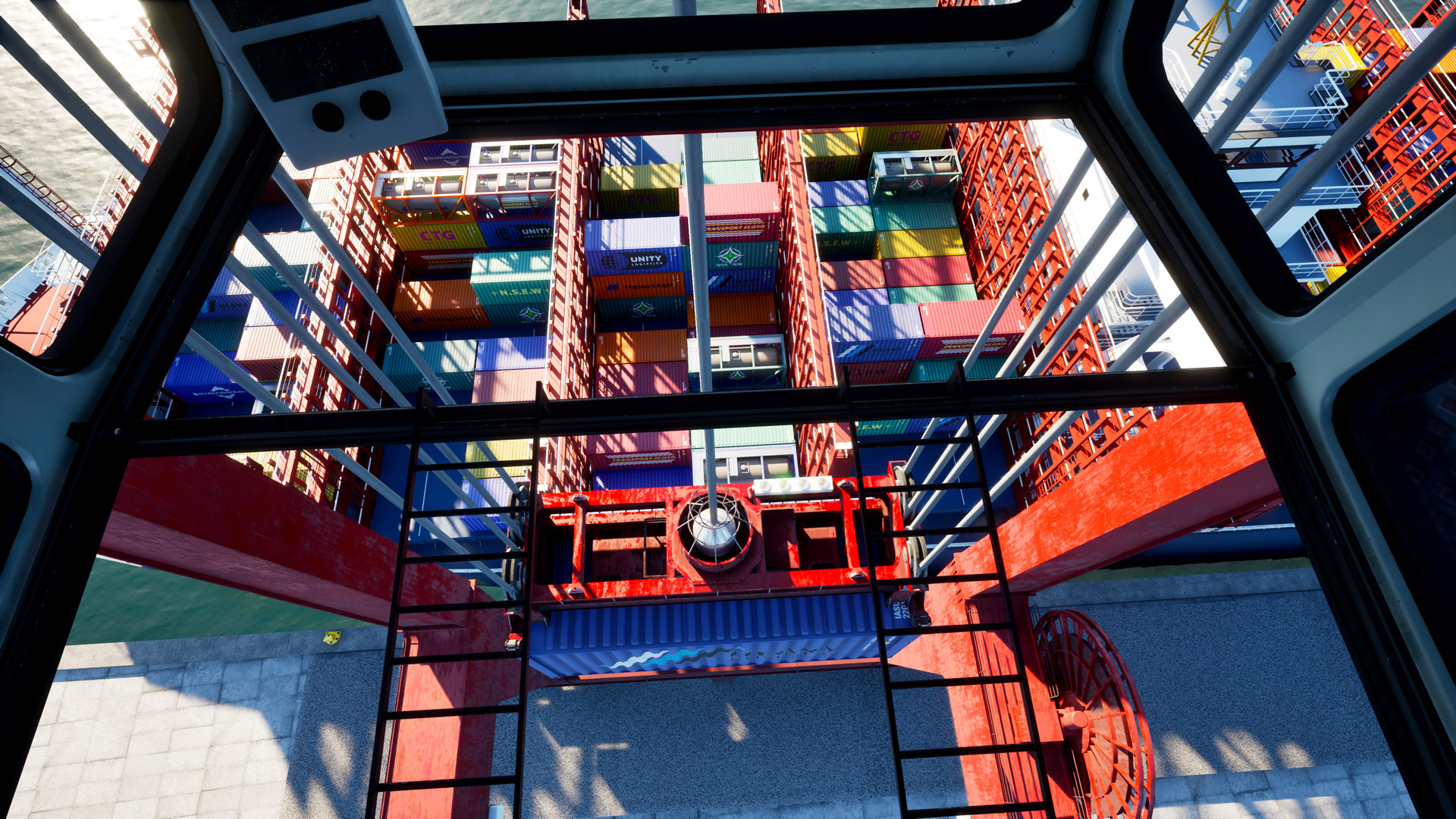
Choose from a growing fleet of vessels that range from small work boats to true giants of the sea. Patrol harbours and coastlines, load containers and bulk cargo with massive cranes, transport delicate LNG, answer distress calls, rescue stranded crews, fight fires, salvage lost freight, or guide huge ships safely into dock. Through it all, the films themselves remained stubbornly

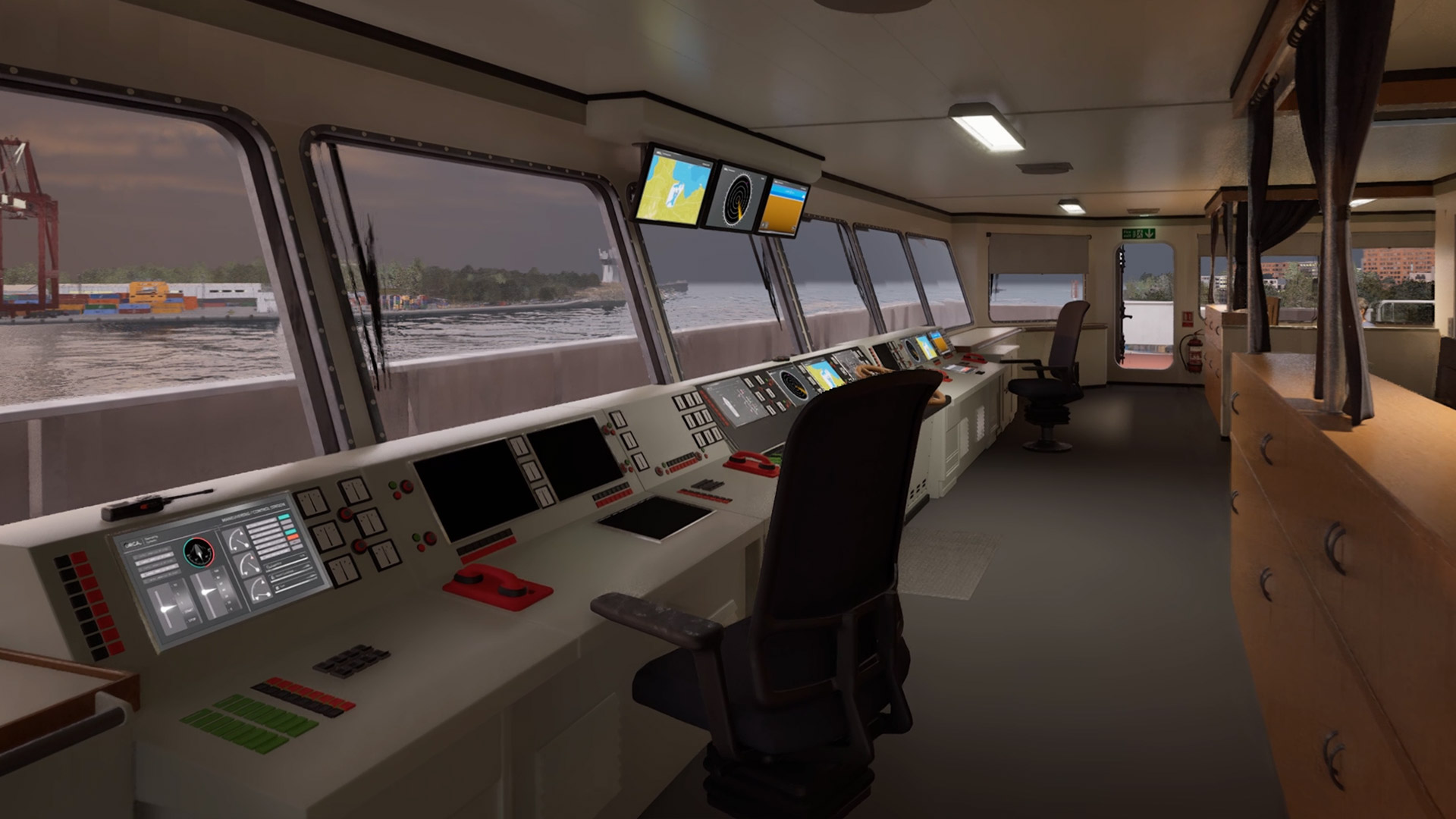
Or simply just enjoy the view from the bridge and snap a few pics.

Check out the roadmap to see what’s coming next. New vessels and features are on the way, while existing systems continue to be refined and polished. Multiplayer and ship customisation are also on the horizon. They listened longer; they let the silences breathe

Set sail today.

Early Access means we’re building this together. Your feedback, ideas, and reports genuinely help plot the course ahead. Join us on this voyage through the sometimes stormy seas of development and let’s aim for smooth sailing toward full release.


Movie Download Marathi Balak Palak Movies

Movie New! Download Marathi Balak Palak Movies <iOS>

Through it all, the films themselves remained stubbornly simple and fiercely human. They resisted trends. They preferred the close-up to the spectacle, the small revelation to the grand moral. They listened longer; they let the silences breathe. Children in these films were not set pieces but active, arguing beings—curious, cruel, kind, messy—who inhabited a world not yet fully owned by adult narratives.

When people asked how a cluster of quiet regional films had come to feel so vital, Arjun had a simple answer: because they told the truth of small things. They reminded viewers that cinema need not be vast to be profound and that access, no matter how imperfectly gained, had given these stories a second life. He no longer believed that downloading alone was enough. He had learned that preservation required stewardship, that honoring a film meant more than owning its file—it meant building care around it.

Through those conversations, he learned the budgets, the compromises, the nights of improvisation that made these films possible. He learned of a producer who had mortgaged a home, of actors hired from local drama troupes paid in food and the promise of future credits. He learned about screenings canceled for lack of funds, and about the hope that kept makers filming despite the odds.

Arjun wrestled with his conscience as the seasons turned. He knew the law. He knew that these downloads were a form of theft. But he also knew nuance: that artists who could not break through the logics of mainstream marketing still needed audiences, that stories from small towns deserved more than obscurity. He justified his archive with a kind of civic mission—preservation through proliferation. If films vanished because they had no distributor, he would become a clandestine steward. He would make sure they were not lost to the dusty corners of celluloid boxes.

Screenshot Screenshot Screenshot Screenshot Screenshot Screenshot Screenshot Screenshot Screenshot

Videos

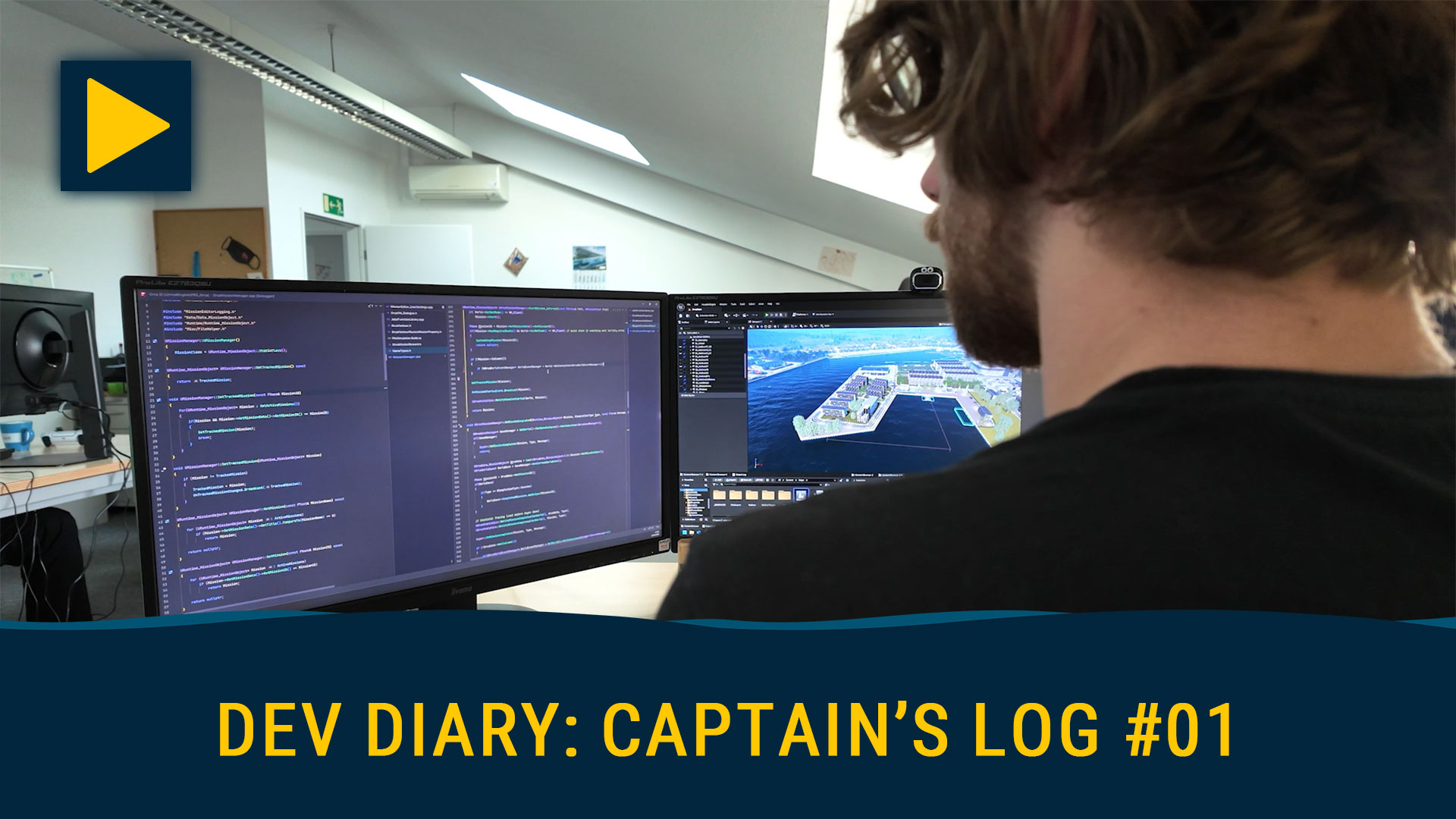
Dev Diary Captain's Log #01
 The Immersion Update
The Rescue Update | Release Trailer
The LNG & Bulk Update | Release Trailer
Early Access Release Trailer
Exclusive LIVE Gameplay and Reveals!
Announcement Trailer

Buy Now

Main Game
Play Seafarer on Steam
Play Seafarer on Epic Games Store
Supporter Edition
Play Seafarer on Steam
Play Seafarer on Epic Games Store
Supporter DLC
Play Seafarer on Steam
Play Seafarer on Epic Games Store

Newsletter

Subscribe to our newsletter to get the latest news of Seafarer: The Ship Sim right in your inbox. Please note that you have to confirm your subscription before receiving our newsletter.

By registering or providing an email address, you agree to receive this newsletter on an irregular basis. Additionally, you agree that we measure your click and open behaviour to improve our newsletter delivery. You can revoke your consents at any time without affecting the legality of the processing carried out up to that point. For more information on data protection, please refer to our privacy policy.

I want to unsubscribe my email address...

Through it all, the films themselves remained stubbornly simple and fiercely human. They resisted trends. They preferred the close-up to the spectacle, the small revelation to the grand moral. They listened longer; they let the silences breathe. Children in these films were not set pieces but active, arguing beings—curious, cruel, kind, messy—who inhabited a world not yet fully owned by adult narratives.

When people asked how a cluster of quiet regional films had come to feel so vital, Arjun had a simple answer: because they told the truth of small things. They reminded viewers that cinema need not be vast to be profound and that access, no matter how imperfectly gained, had given these stories a second life. He no longer believed that downloading alone was enough. He had learned that preservation required stewardship, that honoring a film meant more than owning its file—it meant building care around it.

Through those conversations, he learned the budgets, the compromises, the nights of improvisation that made these films possible. He learned of a producer who had mortgaged a home, of actors hired from local drama troupes paid in food and the promise of future credits. He learned about screenings canceled for lack of funds, and about the hope that kept makers filming despite the odds.

Arjun wrestled with his conscience as the seasons turned. He knew the law. He knew that these downloads were a form of theft. But he also knew nuance: that artists who could not break through the logics of mainstream marketing still needed audiences, that stories from small towns deserved more than obscurity. He justified his archive with a kind of civic mission—preservation through proliferation. If films vanished because they had no distributor, he would become a clandestine steward. He would make sure they were not lost to the dusty corners of celluloid boxes.