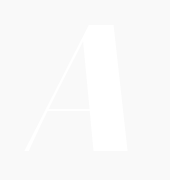
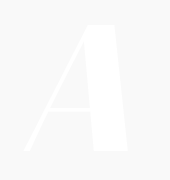
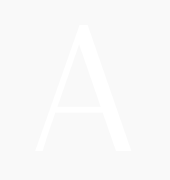
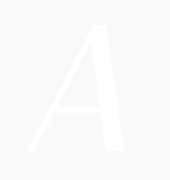
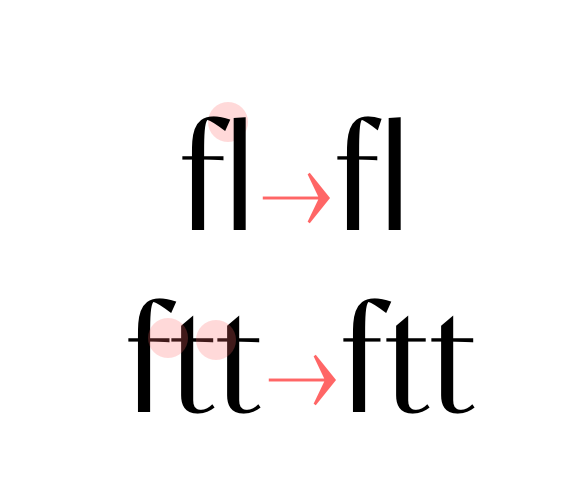
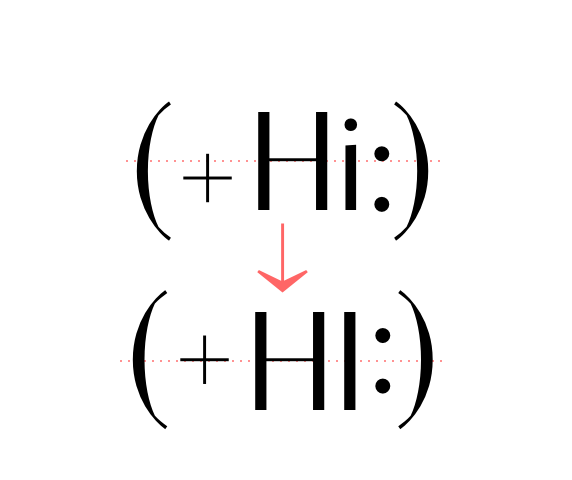
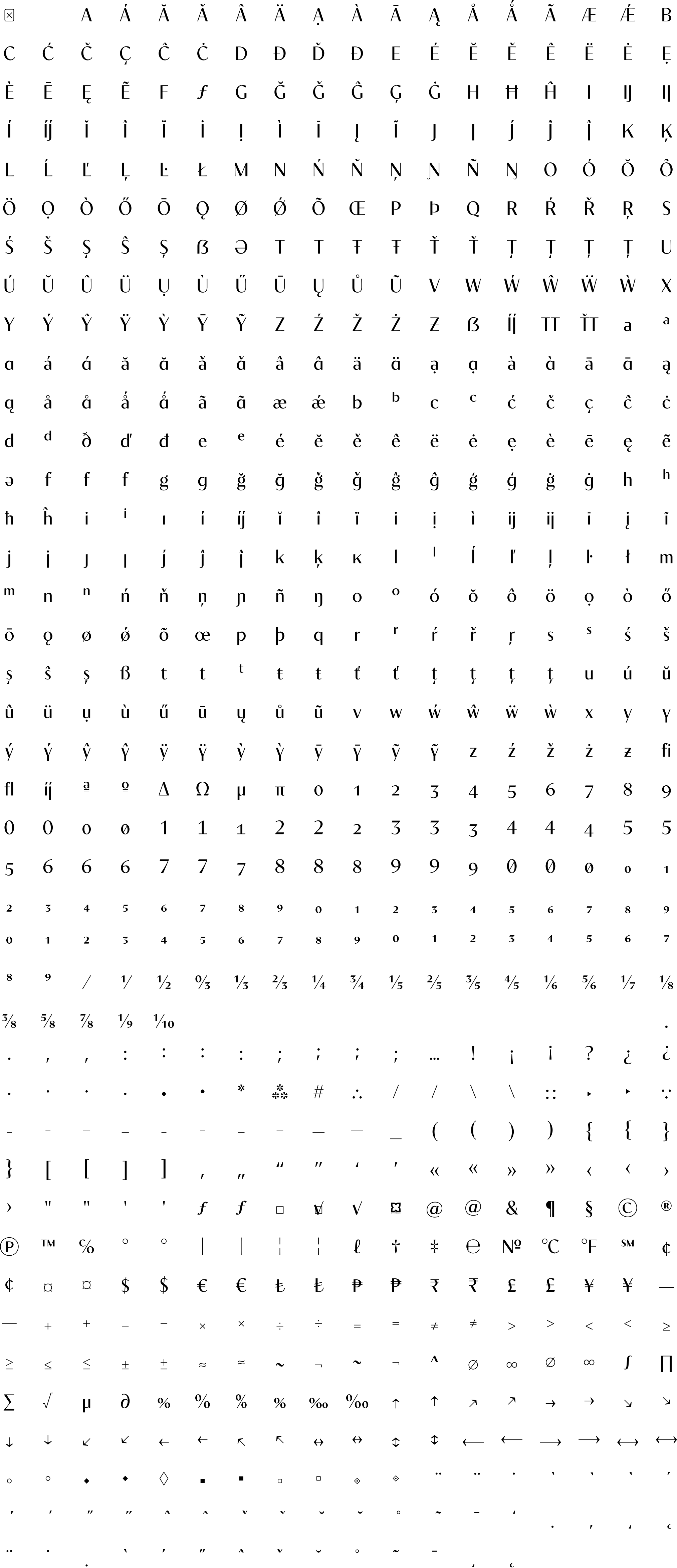
• smart f variants to avoid collisions,
• T T ligature,
• anti-collision T (rightside),
• variants of f and t horizontal bar when next to each other (ff, tt, ft, tf, ttt, fff…)
Published on: 25th of May 2021
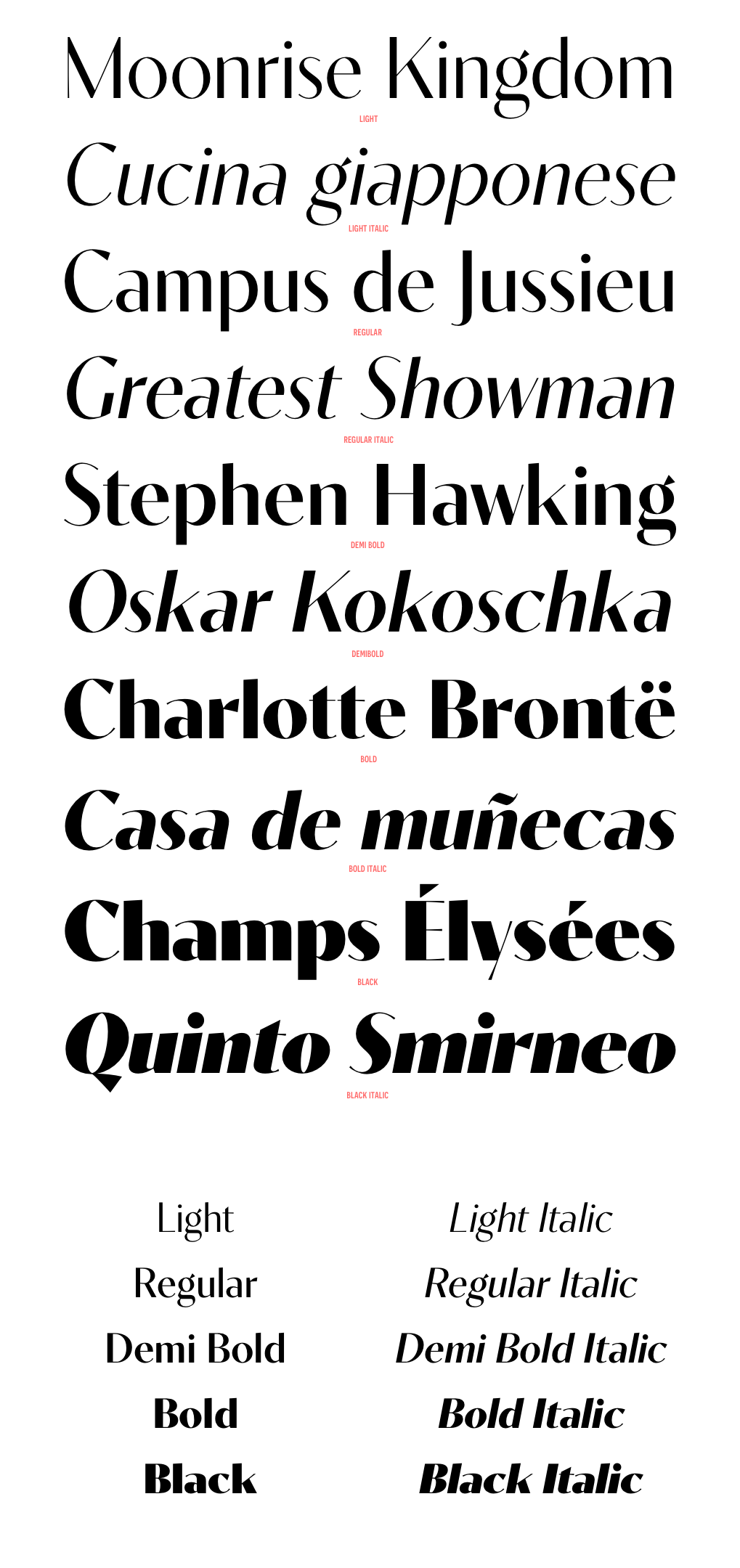
Contralto is a high contrast sans-serif font family, crafted to look elegant but contemporary thanks to soft humanist shapes mixed with sharp geometric details.
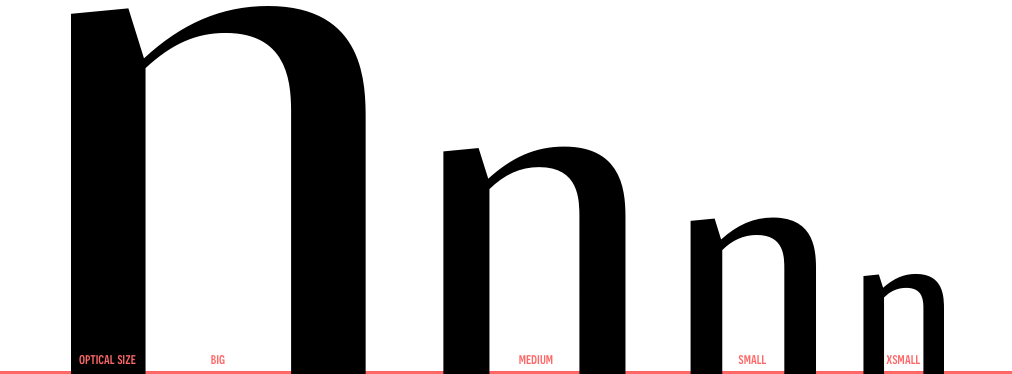
Contralto comes in 40 styles: 5 weights × italics × 4 optical sizes, to help optimising contrast and readability. However, you can also use them to fine tune the mood of your graphical composition.
Contralto’s generous character set and Opentype features let you meet the most demanding layout needs and lets your creativity fly!
Download the Contralto Specimen -->


| light | regular | demibold | bold | black | light italic | regular italic | demibold italic | bold italic | black italic | |
|---|---|---|---|---|---|---|---|---|---|---|
| big | ![]() |
![]() |
![]() |
![]() |
![]() |
![]() |
![]() |
![]() |
![]() |
![]() |
| medium | ![]() |
![]() |
![]() |
![]() |
![]() |
![]() |
![]() |
![]() |
![]() |
![]() |
| small | ![]() |
![]() |
![]() |
![]() |
![]() |
![]() |
![]() |
![]() |
![]() |
![]() |
| xsmall | ![]() |
![]() |
![]() |
![]() |
![]() |
![]() |
![]() |
![]() |
![]() |
![]() |
![]() anticollision ligatures Standard ligatures (should be always on). • smart f variants to avoid collisions, • T T ligature, • anti-collision T (rightside), • variants of f and t horizontal bar when next to each other (ff, tt, ft, tf, ttt, fff…) |
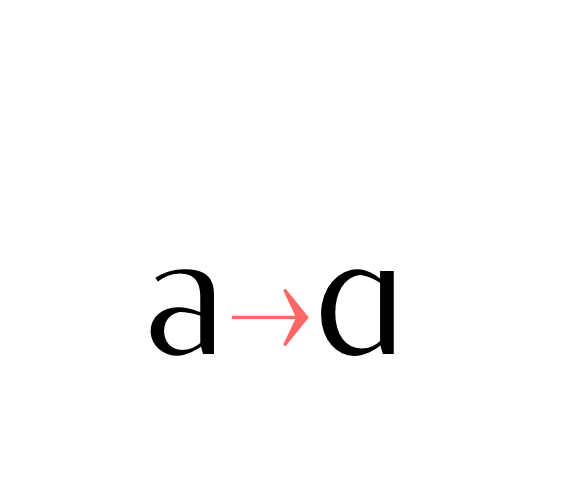
![]() Alternate a (ss01) Stylistic set 01: Alternate lowercase a glyph. |
![]() Alternate g (ss02) Stylistic set 02: Alternate lowercase g glyph. |
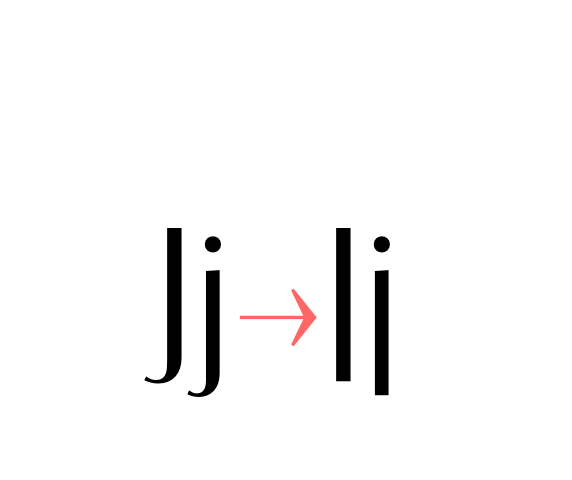
![]() Alternate j (ss03) Stylistic set 03: Alternate lowercase and uppercase j glyph. |
![]() Alternate y (ss04) Stylistic set 04: Alternate lowercase y glyph. |
![]() case sensitive forms Displays a version of the glyph that matches uppercases. Case sensitive glyphs are: ß 0 1 2 3 4 5 6 7 8 9 : ; · • ◦ ‣ ◆ ■ □ ▣ ( ) { } [ ] - – — ⎯ « » ‹ › ¢ ¤ $ € ƒ ₺ ₱ ₹ £ ¥ + − × ÷ = ≠ > < ≥ ≤ ± ≈ ~ ¬ ∅ ∞ % ‰ ↑ ↗ → ↘ ↓ ↙ ← ↖ ↔ ↕ ⟵ ⟶ ⟷ |
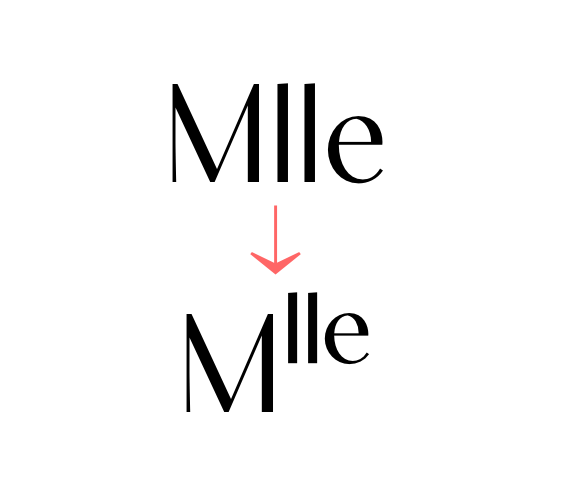
![]() ordinals Creates ordinal versions for letters a b c d e h i l m n o r s t. If a or o are preceded by a figure and no letter follows, ordfeminine ª and ordmasculine º are displayed instead. |
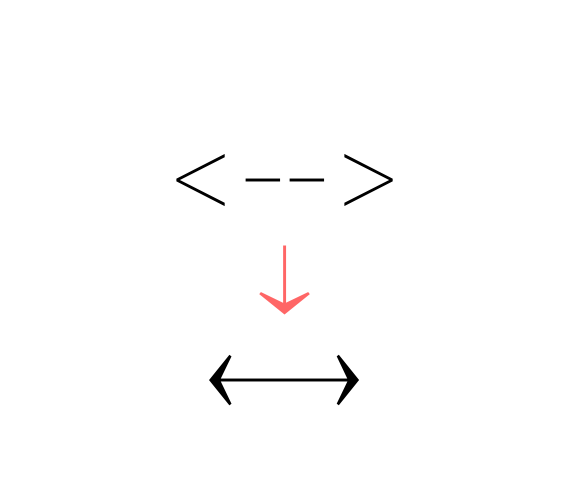
![]() arrows (ss06) Stylistic set 06 “Arrows”. Transforms: -> to →, <- to ←, --> to ⟶, <-- to ⟵, <-> to ↔, <--> to ⟷, ^- to ↑, -^ to ↓, ^-^ to ↕, /> to ↗, </ to ↙, \> to ↘, <\ to ↖, -- to ⎯ (double hyphen makes a longer arrow, sizing exactly 2 tabular spaces). |
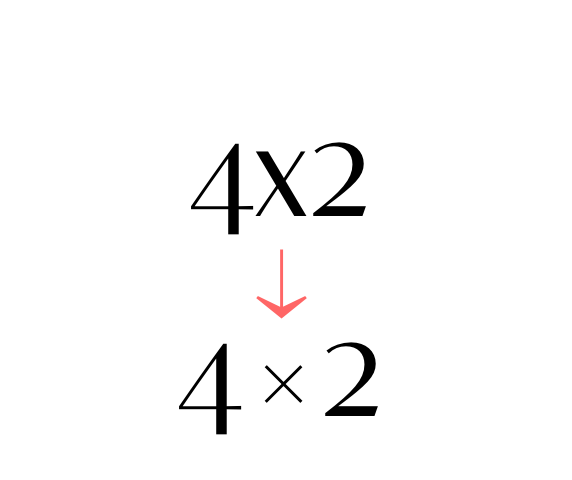
![]() contextual alternates Transforms the x letter to the multiply sign (×) when between two figures and/or an extra space. |
![]() slashed zero Activates slashed-zero alternate |
![]() lining & oldstyle figures Lining figures: displays uppercase-aligned figures and case sensitive glyphs: ß 0 1 2 3 4 5 6 7 8 9 : ; · • ◦ ‣ ◆ ■ □ ▣ ( ) { } [ ] - – — ⎯ « » ‹ › ¢ ¤ $ € ƒ ₺ ₱ ₹ £ ¥ + − × ÷ = ≠ > < ≥ ≤ ± ≈ ~ ¬ ∅ ∞ % ‰ ↑ ↗ → ↘ ↓ ↙ ← ↖ ↔ ↕ ⟵ ⟶ ⟷ Oldstyle figures: displays lowercase (default) figures and glyphs. |
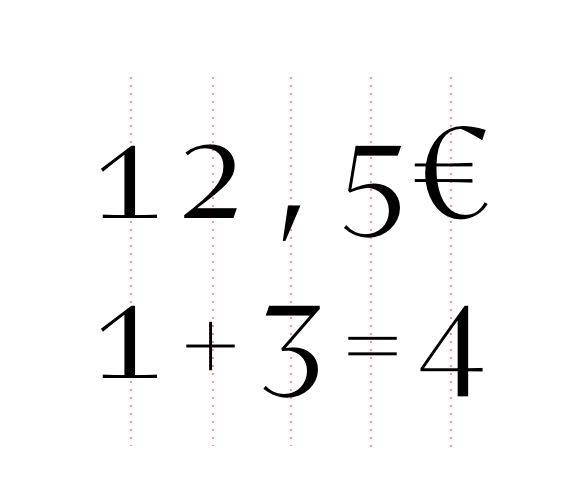
![]() tabular figures & symbols Switches figures and some related glyphs to tabular ones. This feature makes the target glyphs same width and aligns them vertically as they were inside a table. Tabular glyphs are: π … # _ ⎯ ¢ $ € ƒ ₺ ₱ ₹ £ ¥ + − × ÷ = ≠ > < ≥ ≤ ± ≈ ~ ¬ ∅ ∞ ∫ √ µ ∂ ↑ ↗ → ↘ ↓ ↙ ← ↖ ↔ ↕ ◊ ☐ ☑ ✓ Glyphs with tabular alternates: 0 1 2 3 4 5 6 7 8 9 . , : ; · " ' ° | ¦ % / \ - (and space). Most of them have case-sensitive alternates too. In this font you’ll also find 3 long arrows ⟵ ⟶ ⟷ with their case sensitive alternate. Their length is exactly twice a tabular. |



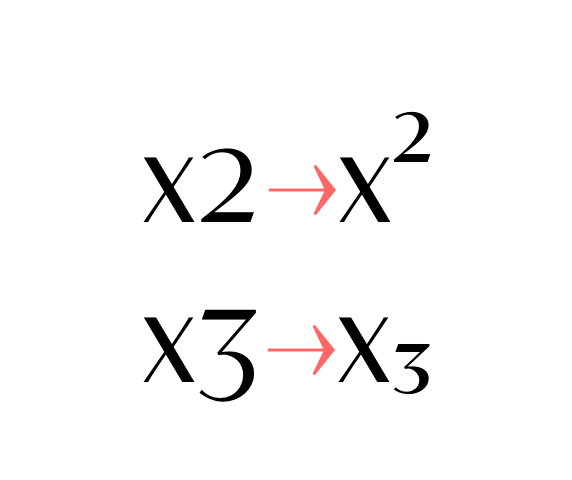
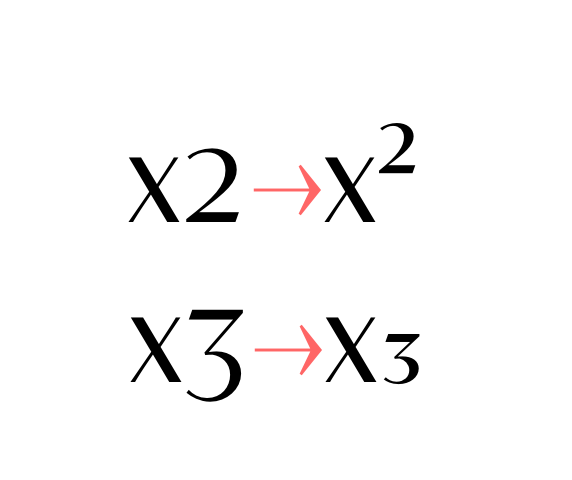
![]() superscripts & subscripts Activates superscript and subscript figures independently. |
![]() numerators & denominators Activates numerator and denominator figures independently. |
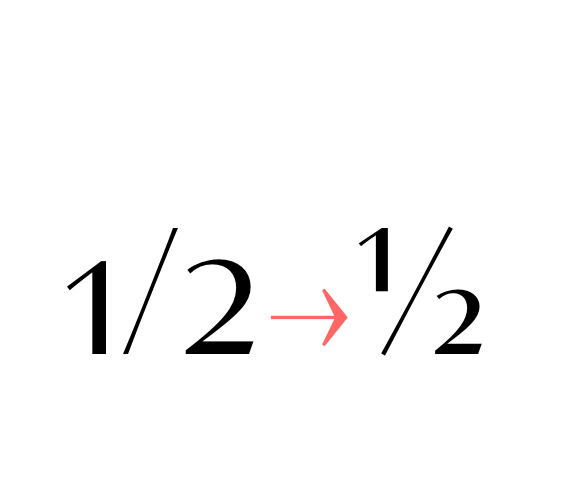
![]() fractions Real fractions from any [number] slash [number] sequence. |
In recent years, the term "Inkchip activation key free new" has been making waves across various online forums, social media platforms, and tech communities. For those unfamiliar with the concept, Inkchip is a firmware used in certain printer models, particularly those produced by Epson and other major manufacturers. The activation key, a unique code required to unlock the full potential of the printer, has become a focal point for many users seeking to bypass traditional limitations and explore new possibilities.
The activation key, a unique code provided by the manufacturer, is required to unlock the full potential of the printer. This key is usually tied to the printer's serial number and is used to authenticate the device and enable advanced features. Without the activation key, users may find themselves limited in their ability to customize and optimize their printer's performance. inkchip activation key free new
As the printing industry continues to evolve, manufacturers, users, and regulators must work together to develop more flexible, secure, and user-friendly solutions. By doing so, we can ensure that the benefits of printer technology are accessible to all, while minimizing the risks and challenges associated with firmware and activation keys. In recent years, the term "Inkchip activation key
Inkchip is a firmware developed to manage the functionality of certain printer models. It acts as a bridge between the printer's hardware and software, controlling various aspects such as ink flow, print quality, and paper handling. The firmware is designed to ensure that the printer operates within predetermined parameters, which can include limitations on ink usage, print volume, and other features. The activation key, a unique code provided by
The world of Inkchip activation key free new solutions highlights the complexities and challenges associated with printer firmware and licensing. While users may be tempted by the promise of cost savings and increased functionality, it is essential to consider the risks and consequences of using unauthorized activation keys or modified firmware.
In this feature, we will delve into the world of Inkchip activation keys, exploring the reasons behind their popularity, the benefits and risks associated with using them, and what the future holds for printer firmware and the industry as a whole.